English


2026-01-15
The kitchen is responsible for washing vegetables, cooking, frying, stir-frying, stewing and boiling every day. While preparing delicious meals, it also generates a lot of kitchen waste and oil stains. Most people remember to clean the range hood, wipe the stove, wash the dishes and the pots, but they seldom remember to clean the sink. Over time, the sink tends to accumulate a lot of stains, oil, and residues. So how should we clean the sink? After using the sink, we must ensure that there are no food residues or other debris left inside. Then, use a cleaning agent and a brush to scrub the surface of the sink, rinse it, and it's done. Now, let's take a look at some other usage tips for the sink together!
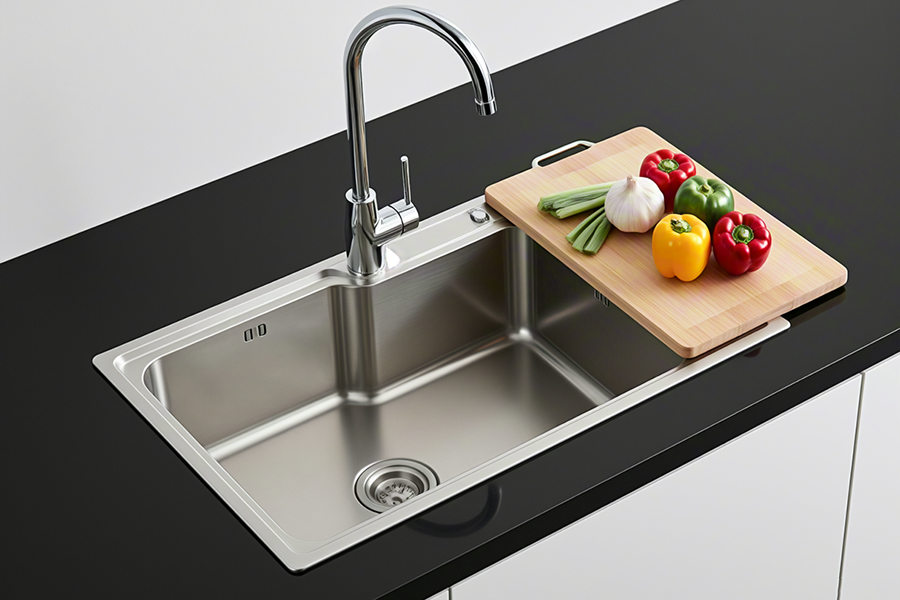
1. Before using the sink for the first time, apply a layer of edible oil on the inner wall of the sink. This will prevent the surface of the sink from coming into contact with corrosive substances. Also, during the renovation of a new home, do not pour wastewater into the sink and do not use cleaning products containing chlorine such as bleach to clean the sink. If corrosive items or solutions fall into the sink, immediately rinse them with water and dry them with a towel.
2. Some homeowners do not have the habit of cleaning the sink promptly. They always wait until the sink accumulates a lot of dirt before cleaning it. This makes the cleaning process more difficult. Therefore, everyone should develop the good habit of cleaning the sink daily, and try to use neutral cleaning agents. Gently wipe it, then rinse it with clean water, and dry it with a sponge or cloth. Avoid using steel brushes or rough brushes to prevent metal particles from adhering to the sink walls. Over time, this may lead to rust spots or scratches on the sink's surface. Do not allow water droplets to remain on the sink's surface. Water with high iron content may cause brownish stains on the sink's surface. If stains occur, a low-concentration vinegar solution can be used to remove this deposit. Finally, clean it thoroughly with clean water.
3. People often use the sink to clean food. Over time, it is inevitable that there will be a lot of oil stains on it. You can sprinkle some edible salt on the oil stains in the sink, then wipe it with used plastic wrap from the top to the bottom. After wiping, rinse it several times with warm water, and it can be made shiny as new. At the corners and under the sink of the sink, you can use a small brush or toothbrush dipped in fine salt, soap water, or cleaning agent to wipe. The water cover at the under-sink can be soaked in warm soapy water for more than ten minutes before cleaning, which can achieve the ideal cleaning effect.
4. Even the faucet on the countertop will accumulate a lot of dirt over time. Everyone should clean it as well. Some stubborn stains are very difficult to remove. You can use a steel wool ball dipped in cleaning agent to wipe it, then clean it with water, and then wipe it repeatedly with a damp cloth dipped in toothpaste or directly with lemon slices to restore the faucet's shine. If there are stubborn water stains on the faucet that are hard to remove, you can turn a fresh lemon around and wipe it on the faucet several times to effectively remove the stains. If the remaining water in the sink causes mineral deposits, you can use warm water and vinegar to remove them, or wipe it with toothpaste or talcum powder. There are also specialized polishing pastes available on the market for removing water stains and rust spots.
II. Cleaning Steps for the Sink
First, fill the sink with water, then pour in a cup of vinegar. After half an hour, use a paste made from baking soda powder and water to clean the sink.
2. Use a nylon flat-bottomed pan scraper or a gold wire ball to clean the sink.
3. Finally, you can use a soft cloth to dip in a small amount of olive oil and wipe the sink, which will make the sink shine.
III. Daily Usage Tips for the Sink
1. Regularly clean the sink and, when not in use, let it dry at room temperature.
2. The accumulated moisture can lead to the formation of mineral deposits. In such cases, a low-concentration vinegar solution can be used to remove these deposits, and then the area should be thoroughly washed with water.
3. Avoid leaving any water droplets on the surface. Water with high iron content may cause brownish-colored staining marks to form on the surface.
4. Do not leave low-carbon steel or cast iron cookware in the sink for an extended period of time.
5. Do not leave rubber dishwashing tablets, damp dishwashing sponges or other cleaning pads in the sink.
6. Household items containing chlorine, bleach or food can damage the sink.
7. Even if the containers holding bleach or chemical detergents are placed in the cupboard, the gases or vapors released from them will still pose a hazard to the sink below.
8. If you accidentally spill photographic chemicals or molten solder into the sink, you should immediately rinse it off with water.
9. Try to minimize the use of silver-containing detergents or other cleaning products that contain sulfur or hydrochloric acid.
10. Do not leave pickles, mayonnaise, mustard or other salty foods in the sink for a long time.
11. Do not use scouring pads, abrasive discs or abrasive materials to clean the sink.
12. Do not use the sink as a cutting board. The sink should only be used for the purposes for which it is intended.
13. During the installation or interior decoration process, do not place tools made of low-carbon steel, metal or other sturdy materials, or any objects that are prone to rust, inside or on the sink.
14. Improper usage methods, incorrect cleaning habits, and impure water quality can all cause damage to the sink.
 Great Sink LLC
 2213 Sastre Ave,South EI Monte,CA 91733,United States
 800-880-5909
+1 6262636668、+1 6267866361
800-880-5909
+1 6262636668、+1 6267866361
 Andy@greatsinkusa.com
STAY CONNECTED:
NEWSLETTER SIGN UP


COOPERATIVE BRAND:


2026 All rights reserved - Great Sink LLC

